Conferences
-
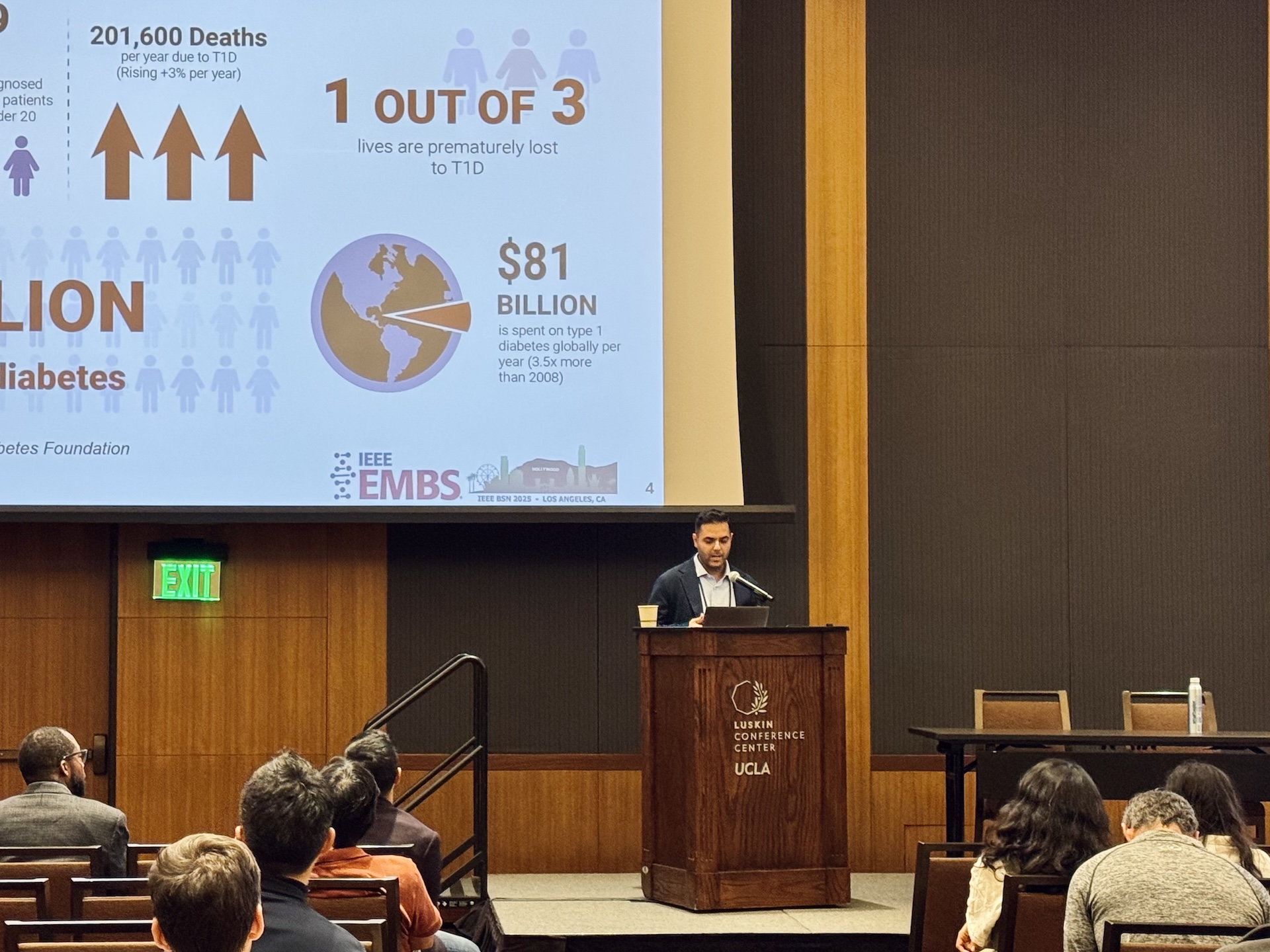 NOV 3–5, 2025IEEE-EMBS BSN 2025International Conference on Body Sensor Networks (BSN)
Digital health technologies are becoming increasingly pervasive. These tools increase opportunities to measure physiology and behavior in the wild (i.e., outside the laboratory). Evolving sensing technologies and data analytic solutions could transform sensor data into clinically actionable information. The IEEE-EMBS International Conference on Body Sensor Networks – Computational Medicine: Expanding Health through Sensing and AI (BSN 2025) will address digital health research and offer participants a unique forum to discuss the key issues and innovative solutions for sensor and systems development, data analytics and modeling, data management and interpretation, and communications.
-
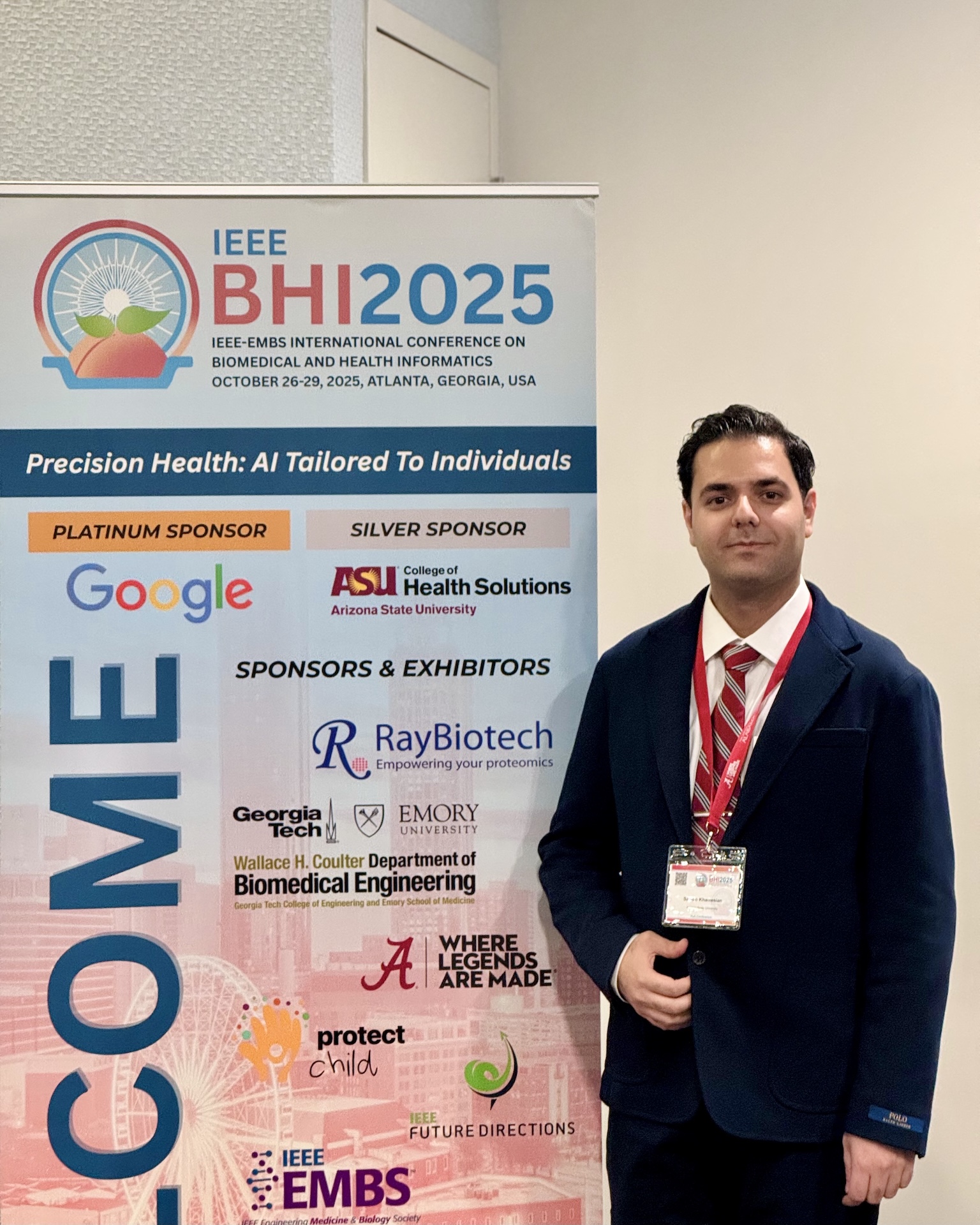 OCT 26–29, 2025IEEE-EMBS BHI 2025International Conference on Biomedical and Health Informatics (BHI)
The IEEE-EMBS International Conference on Biomedical and Health Informatics (BHI), sponsored by the IEEE Engineering in Medicine and Biology Society, is EMBS's primary technical conference on informatics and computing in healthcare and life sciences. It provides a forum for basic and translational research on big data analytics and machine learning addressing the acquisition, transmission, processing, security, visualization, and interpretation of large volumes of multi-modal biomedical data, alongside related social, behavioral, environmental, and geographical data, and for informatics solutions integrating artificial intelligence, mHealth, e-Health, human-computer interfaces, telemedicine, bioinformatics, sensors, imaging, and public health monitoring toward patient-centric, outcome-driven care.
-
 OCT 15–17, 2024IEEE-EMBS BSN 2024International Conference on Body Sensor Networks (BSN)
Digital health technologies are becoming increasingly pervasive. These tools increase opportunities to measure physiology and behavior in the wild (i.e., outside the laboratory). Evolving sensing technologies and data analytic solutions could transform sensor data into clinically actionable information. The IEEE-EMBS International Conference on Body Sensor Networks — NextGen Health: Sensor Innovation, AI, and Social Responsibility (BSN 2024) digital health research and offered participants a unique forum to discuss the key issues and innovative solutions for sensor and systems development, data analytics and modeling, data management and interpretation, and communications.